
There's a reliable way to tell if a restaurant in Rapallo is worth your time: look at who's sitting at the tables. If you see local families with grandparents, workers on their lunch break, and couples who've been coming to the same place for years, you're in the right spot. If you see only tourists with phones out and maps open, keep walking.
A handwritten menu on a chalkboard — or dishes recited aloud by the waiter — is the second sign. It means the kitchen changes with the season, the ingredients are fresh, and the cook has something to say. The third sign is simplicity: few tables, paper or plain linen tablecloths, no laminated photos of the dishes. Restaurants that need pictures to explain their food rarely cook it well.
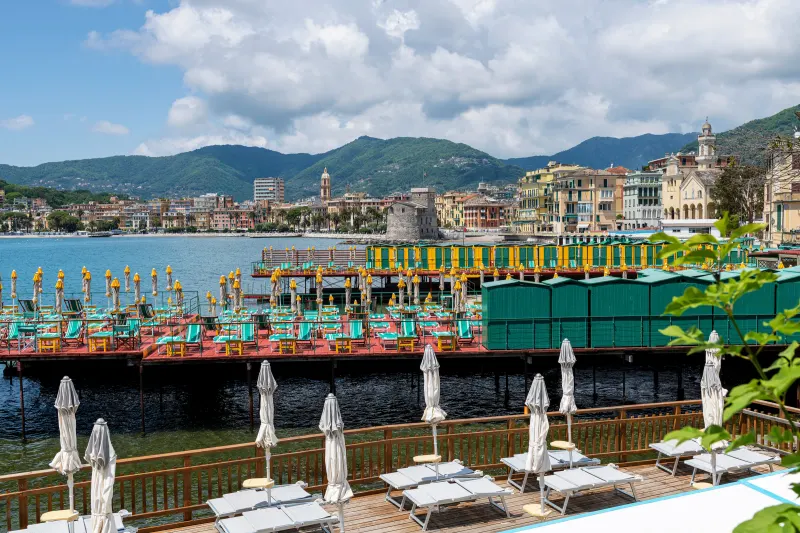
Rapallo is a real town with a real life. Beyond the postcard harbor, people here eat out on Thursday evenings, buy focaccia every morning, and hold strong opinions about where to find the best pesto. This guide is for travelers who want to step into that life, even if only for a few days.
What to order in Rapallo
Before getting to the where, it's worth understanding the what. Ligurian cuisine is one of Italy's most underrated — minimal ingredients, serious technique, remarkable flavor.
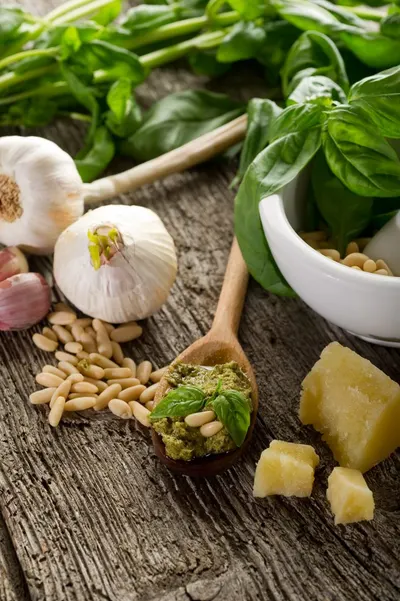
- Trofie al pesto: trofie are short, twisted pasta shapes native to Liguria. Real pesto is made fresh with Genovese DOP basil, pine nuts, garlic, Parmigiano, Pecorino, and extra-virgin olive oil — never from a jar. If the color is vivid green and the scent reaches you before the plate does, you're in good hands.
- Trenette al pesto: the long, flat pasta version of the same dish. Often served with green beans and boiled potatoes cooked together with the pasta — an odd-sounding combination that turns out to be perfect.
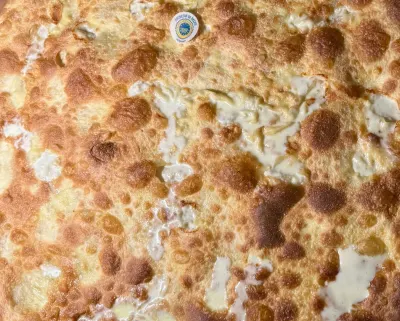
- Focaccia col formaggio di Recco: Recco is just a few kilometers from Rapallo, and its stuffed focaccia holds a European IGP designation. Two paper-thin layers of unleavened dough enclose fresh crescenza cheese. Eat it straight from the oven, ideally standing at the counter.
- Sea bass with lemon: branzino (European sea bass) baked simply with olive oil, lemon, and herbs. In a good Rapallo restaurant, it will have been caught that morning. Always ask whether the fish is fresh or frozen — the best places won't take offense.
- Farinata: a savory flatbread made from chickpea flour, water, olive oil, and salt, baked in a wood-fired oven in copper pans. It's the quintessential Ligurian snack — dense, slightly crispy on the edges, soft in the center. Often found with onions or rosemary.
Where to eat: our recommendations for Rapallo
These are not the restaurants sitting at the top of tourist rankings. They're the ones where, on a Tuesday evening in October, you'll find Rapallo residents having dinner.
-
Ristorante Elite — €€
A cornerstone of local dining, frequented by people who've been coming here for decades. The room is understated, the service direct. The trofie al pesto arrive with the basil still fragrant. Fish dishes rotate daily based on what came in at the market. Small space — book ahead even in low season. -
Hostaria Vecchia Rapallo — €€
Hidden down one of the narrow caruggi — the alleyways of the historic center that most tourists walk through without stopping. Stop here. The menu shifts regularly, but pesto pasta and fresh fish are almost always present. The feel is that of a family-run trattoria; the cooking is serious. -
Da O Vittorio — €€€
The step up in Rapallo — but still a place where locals celebrate birthdays and anniversaries, not a tourist trap. The fish is treated with restraint: good olive oil, citrus, herbs, and nothing else to distract from the main ingredient. Sea bass prepared al sale (salt-baked) or alla ligure is a dish worth the journey. Prices are higher than average, but the quality justifies them. -
Trattoria Dragonara — €
For eating well without spending much. Residents are quietly attached to this place — generous portions, honest prices, home-style cooking in the best sense. Fresh pasta with pesto made the way it's done at home: no shortcuts, the right ingredients. Perfect for a satisfying lunch. -
Bar Ristorante Montallegro — €€
Named after the Montallegro sanctuary that watches over Rapallo from the hillside. The farinata here is outstanding — golden crust, soft center, cooked just right. Also excellent for an afternoon snack or an aperitivo with Ligurian bites. -
Caffè Defilla — €
Technically a café, practically an institution. Rapallo residents come here for breakfast, mid-morning coffee, and quick bites. The focaccia is the kind you eat standing at the counter, fingers glistening with olive oil. Not a place for a full meal, but essential for understanding how a morning starts in Liguria. Arrive before nine.
Practical tips for eating like a local
- Book ahead in high season: from June through August, Rapallo fills up. The good restaurants — small, no glowing signs on the seafront — run out of tables fast. A phone call the day before is usually enough.
- Skip the waterfront for meals: restaurants along the harbor and the Lungomare Vittorio Veneto are almost all aimed at passing tourists. Higher prices, average quality, menus in five languages. Walk a few minutes toward the historic center — the difference is immediate.
- Respect local meal times: lunch runs from 12:30 to 14:30, dinner from 19:30 to 22:00. Arriving at 14:45 for a first course will earn you a cold stare. Arriving at 19:00 for dinner often means the kitchen isn't open yet. Ligurians don't bend their schedules — it's part of what makes the place feel real.
- Order the house wine: most trattorias offer a local sfuso (carafe wine) — often a Vermentino or Pigato — that costs little and pairs beautifully with the food. It doesn't need a wine list to be exactly right with trofie al pesto.
Where to buy focaccia: Rapallo's historic bakeries
Ligurian focaccia is not just a restaurant dish — it's bought from the bakery in the morning, carried under your arm, and eaten while walking. That's the correct way to eat it.
In Rapallo, the historic bakeries open early — some as early as six in the morning — and the first batch out of the oven is the best: warm, with olive oil still pooling in the dimples. Classic focaccia is about two centimeters thick, soft inside, lightly crisp on the outside, seasoned only with extra-virgin oil and coarse salt.
Look for bakeries in the streets of the historic center, away from the waterfront. The best ones have no famous names — they're recognizable by the queue outside between eight and nine in the morning, made up of people who live there and buy the same focaccia from the same baker every single day.
If you're willing to make a short detour (fifteen minutes by car or train), Recco offers the most celebrated version of cheese-stuffed focaccia. It's absolutely worth the trip — but even in Rapallo's better bakeries, you can find an excellent rendition.
Stay on the Ligurian Riviera with CasaViva
Planning your trip? CasaViva offers hand-picked apartments in Camogli, Rapallo, Santa Margherita Ligure and Genoa. Book directly — best rates guaranteed, no commission fees.
Browse available apartments →